
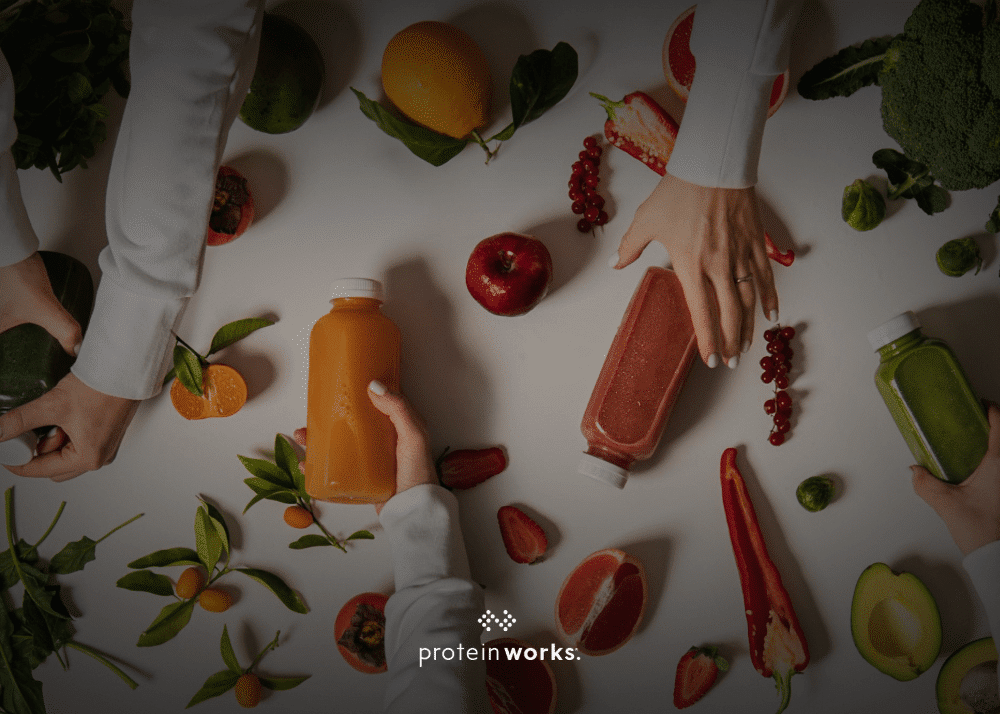

Ernährung hat einen hohen Stellenwert in unserem Leben eingenommen, sie ist mittlerweile Ausdruck eines bestimmten Lifestyles. Denn es geht bei der Auswahl unserer Lebensmittel längst nicht mehr um die Frage “Was esse ich?”, sondern auch um die Frage “Warum esse ich?”. Dient es meiner Gesundheit? Zahlt es auf mein Longevity-Konto ein? Oder hat meine Ernährung sogar einen positiven Einfluss auf meine mentale Gesundheit? Und ist sie nachhaltig? Statt Verboten und extremen Ernährungsweisen stehen bei den Ernährungstrends 2025[1] Gesundheit, Umweltbewusstsein und Individualität im Vordergrund.
Wir haben die fünf wichtigsten Ernährungstrends 2025 für dich analysiert:

1. Plant based: Entspannte Pflanzenkost
Der „Plant Based“-Trend setzt sich ungebrochen fort – immer mehr Menschen entscheiden sich für eine Ernährung, die überwiegend aus pflanzlichen Lebensmitteln besteht. Dabei geht es um eine natürliche und häufig weniger verarbeitete Ernährungsweise, die aber nicht zwingend völlig tierfrei sein muss.
Neben Gemüse, Obst, Hülsenfrüchten, Vollkornprodukten, Nüssen, Samen und Pflanzenölen stehen gelegentlich auch bewusst Fleisch, Fisch, Eier oder Milchprodukte auf dem Speiseplan. Und genau das macht diese Form der Ernährung zu einer super entspannten und vor allem gesunden Art, sich bewusst und genussvoll zu ernähren.
Denn der hohe Anteil an Obst, Gemüse und Hülsenfrüchten versorgt den Körper mit vielen wichtigen Vitaminen, Mineralien, Antioxidantien und Ballaststoffen. Studien zeigen, dass eine pflanzenbasierte Ernährung das Risiko für Herzkrankheiten, Bluthochdruck, Diabetes Typ 2 und Übergewicht senken kann.[1]
Dank des hohen Anteils an Ballaststoffen “füttert” sie auch die guten Bakterien im Darm und hält dein Mikrobiom in Balance. Die Antioxidantien können freie Radikale im Körper bekämpfen und Entzündungen lindern. Und natürlich profitiert auch die Umwelt: Plant based bedeutet geringere CO₂-Emissionen, weniger Wasserverbrauch und natürlich weniger Tierleid.
Meist verläuft der Schritt zu Plant based übrigens über die flexitarische Ernährung, bei der du einfach weniger Fleisch isst. Aus einzelnen fleischlosen Mahlzeiten werden dann oft fleischlose Tage – und irgendwann oft eine größtenteils pflanzenbasierte Ernährung.
Produkte:


2. Essen für einen gesunden Darm
Happy Darm, happy life: Eine Ernährungsweise, die mit Pro- und Präbiotika die Gesundheit des Darms fördern soll, steht auch auf der Liste der Ernährungstrends 2025 weit oben. Denn je mehr die Forschung über das Mikrobiom herausfindet, desto klarer wird, dass der Darm eine zentrale Rolle für Immunsystem, mentale Gesundheit, Hormonhaushalt und Energie-Level spielt.
Im Fokus stehen bei dieser Ernährungsform vor allem probiotische Lebensmittel. Also Nahrungsmittel, denen darmfreundliche Bakterienkulturen zugesetzt wurden. Dazu zählen etwa probiotische Joghurts und fermentierte Lebensmittel wie Kefir, rohes Sauerkraut, Kimchi, Tempeh oder Kombucha.
Genauso wichtig sind dabei die präbiotischen Lebensmittel, die unverdauliche Ballaststoffe enthalten und als “Futter” für die guten Bakterien im Dickdarm ankommen. Dazu zählen Zwiebeln, Chicorée, Hafer, Vollkornprodukte oder abgekühlte Kartoffeln.
Expert*innen supplementieren hier auch oft direkt mit dem präbiotisch wirkenden Pulver der Akazienfaser. Denn das ist ein unlöslicher, gut verträglicher Stoff, der aus dem Harz der Akazienbäume gewonnen wird. Passt super in Smoothies & Co und ist auch in vielen Shakes enthalten.
Produkte:
3. Blutzucker Balance
Seinen Blutzucker zu tracken ist zum neuen Kalorienzählen geworden. Dank Social Media, Wearables und neuen Ernährungs-Apps ist der Blutzucker in den Fokus der Health-Community gerückt – und Blutzuckerspitzen werden so verteufelt wie Kalorienbomben. Denn wer es schafft, seinen Blutzucker dauerhaft niedrig zu halten, hat weniger mit Heißhunger, Konzentrationsproblemen und Müdigkeit zu kämpfen.
Es gilt also, mit entsprechenden Lebensmitteln den Blutzucker stabil zu halten und große Schwankungen in der Blutzuckerkurve zu vermeiden. Das gelingt mit Vollkornprodukten, Gemüse, ausreichend Proteinen und gesunden Fetten. Aber auch mit beispielsweise Apfelessig – er soll, vor dem Essen eingenommen – Blutzuckerspitzen nach dem Essen vermeiden.
Kein Wunder, dass auch ungesüßte Haferdrinks, Proteinriegel, Protein-Shakes, Hülsenfrüchte-Pasta oder Gemüsesnacks gefragter sind denn je.
Um die Messung zu erleichtern und die individuelle Blutzucker-Reaktion auf bestimmte Lebensmittel zu verstehen, tragen immer mehr Meschen (auch ohne Diabetes zu haben) die kleinen CGM-Sensoren zur kontinuierlichen Blutzuckermessung am Oberarm. Das ist aber eigentlich gar nicht nötig – auch das eigene Körpergefühl kann Aufschluss über die individuelle Blutzuckerkurve geben.
Produkte:


4. Personalisierte Ernährung
Einfach die Ernährung übernehmen, die deiner Kollegin zu mehr Wohlbefinden, mehr Energie und mentaler Klarheit verholfen hat? Macht im Jahre 2025 fast keine*r mehr, denn einer der größten Ernährungstrends ist die personalisierte Ernährung: Jeder Körper tickt anders und braucht eine ganz individuelle Ernährung.
Persönliche Bedürfnisse, Lebensstil, Sportroutine, Unverträglichkeiten, ein steigendes Gesundheitsbewusstsein und die eigenen Werte beeinflussen deinen Speiseplan. Und natürlich der Zugang zu immer mehr biometrischen Daten aus Wearables und Apps. Es gibt ernährungstechnisch keine One-Fits-All-Lösung mehr, du musst für deinen Körper selbst herausfinden, welche Ernährungsweise für ihn funktioniert.
Wie sehr das aktuell Anklang findet, zeigen Beispiele aus dem Female Biohacking: Die Ernährung wird dabei besonderen Lebensphasen angepasst, wie etwa dem Zyklus oder der Menopause. Mit zunehmenden technologischen Möglichkeiten und einem weiter wachsenden Gesundheitsbewusstsein, wird uns dieser Ernährungstrend noch lange begleiten.
Möchtest du deine Ernährung personalisieren, kannst du mit kleinen Schritten starten. Berechne zum Beispiel deinen individuellen Proteinbedarf und erhöhe gegebenenfalls deine Proteinaufnahme. Achte genau auf deine Verträglichkeiten: Tut dir Kaffee gut oder eher Matcha, und wenn ja, zu welcher Tageszeit? Welche Nahrungsmittel verstärken dein Energietief am Nachmittag? Welche Nahrungsmittel tun dir in welcher Zyklusphase gut?
Durch das genaue Beobachten und vielleicht auch durch das Messen bestimmter Parameter, kannst du an deinem persönlichen Ernährungsplan feilen.
Produkte:

5. Smart Snacking
Die Frage, ob drei große oder fünf kleine Mahlzeiten pro Tag gesünder sind, spaltet die Health Community schon lange. Doch das Trendbarometer der Ernährungstrends 2025 zeigt: Die klassische Verteilung auf drei Hauptmahlzeiten weicht immer mehr dem Snacking-Rhythmus, also dem über den Tag verteilten Aufnehmen von mehreren kleinen Mahlzeiten.
In Zeiten von Home Office und unregelmäßigen Tagesabläufen passen bei den meisten Menschen die traditionellen, festen Essenszeiten mit ausgiebigen Koch-Sessions nicht mehr zum Alltag. Mit dem Snacking ist man auch an stressigen Tagen flexibler und kann sie sogar einfacher mitnehmen.
Wichtig: Beim Smart Snacking geht es nicht um gedankenloses Snacken. Es geht nicht um die Kekse und Schokoriegel, die im nachmittäglichen im Snack-Nirvana verschwinden – und auch nicht um das Daueressen nebenbei.
Im Gegenteil: Funktionelle, gesunde und nährstoffreiche Snacks sind gefragt. Sie sollen satt machen, den Blutzucker in Balance halten, dem Körper Energie liefern und im besten Fall noch Benefits für Darm, Muskeln und das Gehirn haben.
Wenn du den Snacking-Trend ausprobieren möchtest und dir ein paar Snacks für Büro, Gym oder unterwegs einpacken möchtest, haben wir ein paar gesunde, sättigende Snack-Inspirationen für dich:
- Protein-Riegel
- Gemüsesticks mit Hummus
- Hart gekochte Eier
- Nüsse
- Obststücke mit Nussmus
- Skyr mit Beeren
- Joghurt mit Proteinpulver
Produkte:

6. Essen mit Verantwortung: Nachhaltig & klimafreundlich
Dieser Trend gehört zu den prägendsten Ernährungstrends unserer Zeit. Und er ist gekommen, um zu bleiben – darin sind sich Ernährungsexpert*innen einig. Denn bei der klimafreundlichen Ernährung geht es nicht um Verzicht, sondern um bewusste, zukunftsorientierte Entscheidungen.
Im Mittelpunkt steht dabei die Auswahl umweltbewusster Lebensmittel, deren Herstellung den Verbrauch von CO₂, Wasser und natürlichen Ressourcen möglichst gering hält und gleichzeitig ökologische Verantwortung, soziale Fairness und gesundheitlichen Mehrwert miteinander vereint.
Immer mehr Verbraucher*innen interessieren auch die Herkunft der Lebensmittel, die Produktionsbedingungen, das Tierwohl, die Verpackung und der entstehenden Abfall.
Du möchtest dich auch klimafreundlicher ernähren? Dann gibt es eine Reihe von Einstiegsmöglichkeiten. Ein super Anfang ist die bereits erwähnte, pflanzenbasierte Ernährung. Denn Hülsenfrüchte, Getreide und Gemüse haben meist einen deutlich kleineren CO₂-Fußabdruck als Fleisch und hochverarbeitete Lebensmittel.
Nachhaltig und gesund ist es auch, regional und saisonal zu essen – also etwa Tomaten und Erdbeeren im Sommer, Kohlgemüse im Winter. Das spart oft unbemerkt eine große Menge Wasser.
Um Ressourcen wie Rohstoffe, aber auch Energie, Fläche und Verpackung zu sparen, solltest du frische, möglichst unverarbeitete Lebensmittel kaufen, verpackungsfrei einkaufen oder auf recycelbare Verpackungen achten.
Kurz gesagt: Wähle für diesen Ernährungstrend Lebensmittel, die deinem Körper gut tun, Ressourcen schonen und möglichst wenig Schaden für Umwelt und Menschen verursachen – ohne Perfektion, aber mit Bewusstsein.
Fazit: Was alle Ernährungstrends 2025 gemeinsam haben
So unterschiedlich die Ernährungstrends 2025 auch erscheinen – sie verfolgen alle ein gemeinsames Ziel: Ernährung soll unterstützen, nicht stressen. Es geht nicht um starre Regeln, Verbote, Extreme oder Perfektion, sondern einfach um mehr Bewusstsein für Gesundheit und Umwelt, mehr Qualität und Individualität. Es geht um bewusste, flexible und nachhaltige Ernährung-Entscheidungen – Tag für Tag.
Alle Trends gleichzeitig umzusetzen, wäre ziemlich anstrengend. Aber schon kleine Anpassungen können langfristig einen großen Unterschied machen. Wenn du deinen Körper verstehst, ihn gezielt unterstützt und auf Qualität achtest, kannst du damit die Basis für eine langfristige Gesundheit, mehr Energie und mehr Wohlbefinden schaffen.
[1] https://www.bzfe.de/presse/pressemeldungen-archiv/ernaehrungstrends-2025-nachhaltig-gesund-individuell
[2] https://link.springer.com/article/10.1186/s12937-023-00877-2




Noch keine Kommentare!